Best Time for Everest Three High Passes Trek
- soleencounters
The Everest Three High Passes Trek is one of the most challenging yet rewarding trekking adventures in the Everest region of Nepal. Unlike the classic Everest Base Camp trek, this journey combines three high mountain passes—Kongma La (5,535m), Cho La (5,420m), and Renjo La (5,360m)—with breathtaking views of Mount Everest, Ama Dablam, Lhotse, Makalu, and Cho Oyu. Because of its high-altitude challenges and varied terrain, choosing the best time for Everest Three High Passes Trek is essential to ensure safety, comfort, and an overall enriching experience.
Table of Contents
In this guide, we break down the seasonal weather patterns, best trekking months, and insider tips to help you plan your adventure.
For complete trip details, you can check our package page: Everest Three High Passes Trek.
Why Timing Matters for the Everest Three Passes Trek
The Everest Three High Passes Trek is known for its unpredictable weather and high elevation. Attempting the trek at the wrong time can mean:
-
Increased risk of altitude sickness due to extreme cold.
-
Dangerous trail conditions with snow and ice on the passes.
-
Limited visibility of mountain views due to fog or heavy clouds.
-
Fewer open teahouses during off-seasons.
That’s why it’s crucial to align your trek with the best trekking seasons in Nepal.
Best Seasons for Everest Three High Passes Trek
1. Spring (March to May)
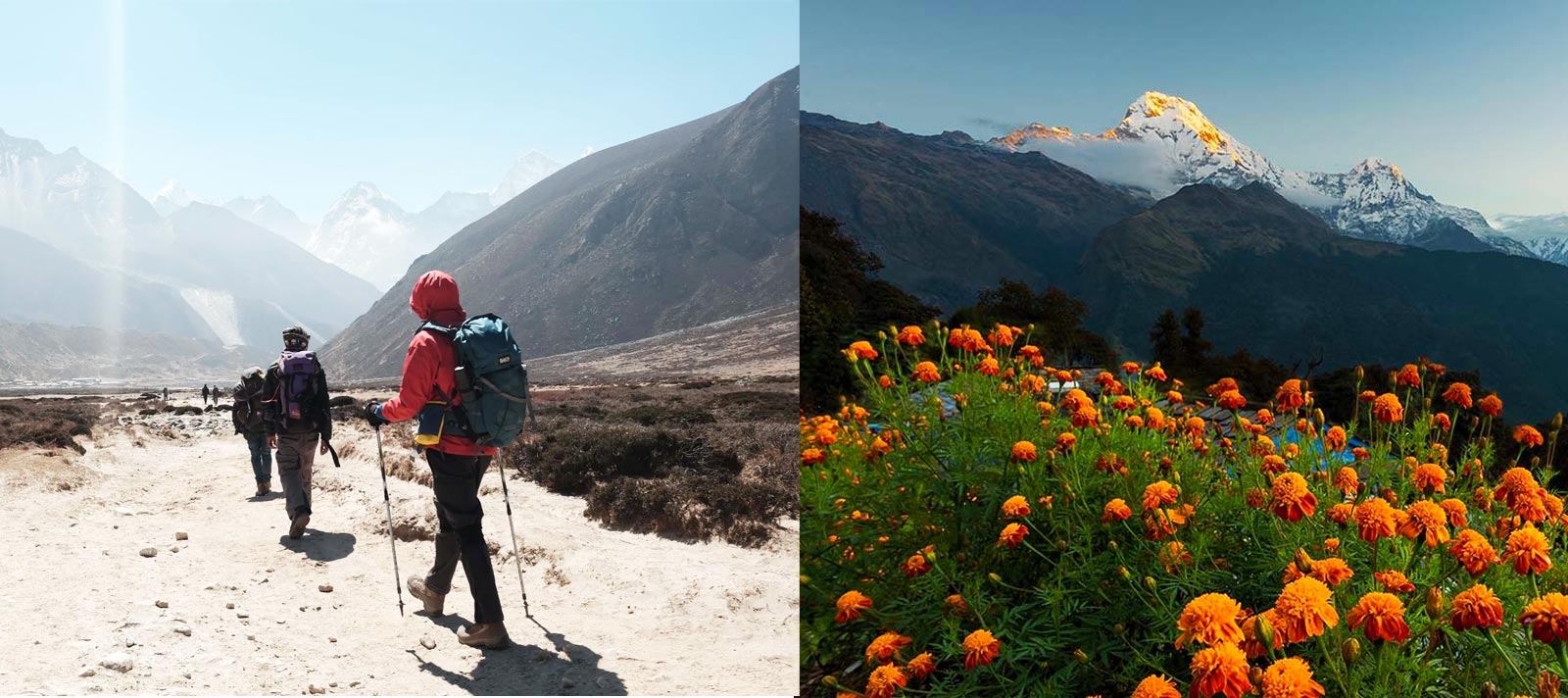
Spring is widely regarded as one of the best times for the Everest Three Passes Trek. The weather is stable, the skies are clear, and the trails are vibrant with blooming rhododendrons.
Weather:
-
Daytime temperatures: 10°C to 15°C at lower altitudes.
-
Nights at high passes: as cold as -10°C to -15°C.
Highlights of Spring Trekking:
-
Stunning views of Everest, Lhotse, Makalu, and Cho Oyu under crystal-clear skies.
-
Blooming rhododendron forests in lower regions.
-
Ideal weather for crossing high passes without excessive snow.
Tips:
-
Early mornings are best for pass crossings to avoid afternoon wind.
-
Popular season, so teahouses may be crowded—book in advance.
2. Autumn (September to November)
Autumn is another prime season for trekking in the Everest region. Following the monsoon, the air is fresh, skies are clear, and mountain views are spectacular.
Weather:
-
Daytime temperatures: 8°C to 14°C at lower regions.
-
Night temperatures at passes: -10°C to -18°C.
Highlights of Autumn Trekking:
-
Excellent visibility and stable weather.
-
Post-monsoon freshness, making landscapes more vibrant.
-
Less snow on the high passes compared to winter.
Tips:
-
Start early for pass crossings to avoid icy trails in the afternoon.
-
Autumn is peak season, so expect busy trails.
3. Winter (December to February)
Winter brings extreme cold and heavy snowfall, making the Everest Three High Passes Trek highly challenging. Trails can be blocked, and many teahouses close for the season.
Weather:
-
Daytime temperatures: -5°C to 5°C.
-
Pass temperatures: can drop below -20°C.
Challenges:
-
Snow accumulation makes passes difficult or impossible to cross.
-
Risk of avalanches and icy paths.
-
Limited accommodation options.
Who Should Consider Winter?
-
Highly experienced trekkers with proper gear.
-
Those seeking solitude on the trail.
4. Summer/Monsoon (June to August)
Summer coincides with Nepal’s monsoon season. Heavy rain, cloud cover, and leeches make trekking less enjoyable.
Weather:
-
Warm temperatures at lower altitudes, but heavy rainfall.
-
Slippery trails and reduced visibility.
Challenges:
-
Landslides and muddy paths.
-
Cloudy conditions obscure mountain views.
-
Flight delays to Lukla due to weather.
Who Should Consider Monsoon?
-
Trekkers wanting quiet trails and lush green landscapes.
-
Those prepared for challenging weather and possible itinerary changes.
Seasonal Comparison Table
| Season | Pros | Cons |
|---|---|---|
| Spring | Stable weather, rhododendron blooms, clear views | Busy trails, need advance bookings |
| Autumn | Crisp views, stable climate, post-monsoon freshness | Crowded routes, cold nights |
| Winter | Fewer trekkers, solitude | Harsh cold, closed passes, limited lodges |
| Monsoon | Green landscapes, fewer tourists | Heavy rains, landslides, poor visibility |
Expert Tips for Planning Your Trek
-
Best Time to Go: Spring (March–May) and Autumn (September–November) are the most reliable.
-
Crossing Passes: Always start early in the morning to avoid bad weather later in the day.
-
Acclimatization: Include extra days in your Everest Three High Passes Trek itinerary for proper acclimatization.
-
Gear Preparation: Carry crampons or microspikes during early spring and late autumn when trails may be icy.
-
Book with Experts: Having an experienced local guide increases both safety and cultural experience. See our full Everest Region trekking packages.
Conclusion
The best time for the Everest Three High Passes Trek depends on your priorities, but most trekkers choose either spring (March–May) or autumn (September–November) for their stable weather, clear skies, and comfortable conditions for crossing high passes. Winter and monsoon treks are possible but only for highly experienced adventurers willing to take on added challenges.
If you’re planning this epic journey, we recommend exploring our Everest Three High Passes Trek package for detailed itineraries, inclusions, and expert guidance. For personalized advice, feel free to contact us or talk to our trekking experts.
Recent Posts
.jpg)
3rd Jul, 2025
.jpg)
4th Jul, 2025
.jpg)
4th Jul, 2025
.jpg)
7th Jul, 2025
.jpg)
8th Jul, 2025
.jpg)
8th Jul, 2025
.jpg)
8th Jul, 2025

10th Jul, 2025